· books about emotions for toddlers · 13 min read
Top 10 Best Books About Emotions for Toddlers 1-3 in 2024
Explore the best books about emotions for toddlers 1-3. Our handpicked selection will help your little one understand and manage their emotions effectively.
Toddlers are like little sponges, absorbing everything around them. That's why it's so important to provide them with books that can help them understand and manage their emotions. Here are 10 of the best books about emotions for toddlers 1-3.
Overview




PROS
- Vibrant illustrations and engaging stories teach toddlers about common emotions.
- Simple and relatable scenarios resonate with young children, building empathy and understanding.
CONS
- Some parents may find the book's tone overly simplistic.
- The book primarily focuses on calming techniques, with limited exploration of more complex emotions.
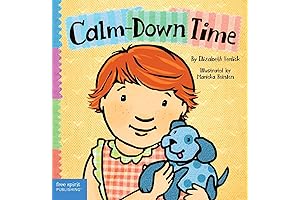
This toddler-friendly board book, part of the Toddler Tools series, provides an accessible introduction to emotional literacy for children ages 1-3. Through engaging stories and vivid illustrations, young readers explore common emotions like happiness, sadness, anger, and fear. The book's simple language and relatable scenarios resonate with little ones, helping them identify and understand their own emotions as well as those of others, fostering empathy and promoting self-regulation.
Each story introduces a specific emotion and offers practical tips for dealing with it constructively. For instance, when faced with anger, toddlers are encouraged to take deep breaths and count to ten, empowering them with coping mechanisms for managing difficult emotions. While the book primarily focuses on calming techniques, it also touches on complex emotions such as frustration and disappointment, offering age-appropriate guidance to help toddlers navigate these challenging experiences.

PROS
- Interactive illustrations and playful text engage toddlers' imaginations
- Provides a relatable and easy-to-understand approach to emotions for young minds
- Covers a range of emotions, from joy to sadness and anger
CONS
- May not be suitable for older toddlers who crave more complex emotional exploration
- Some parents may find the illustrations overly simplistic
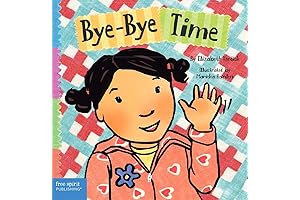
For toddlers embarking on their emotional journey, 'Bye-Bye Time' offers a gentle and engaging introduction to the world of feelings. Its vibrant illustrations and playful text connect with young minds, inviting them to recognize and express their emotions in a relatable and enjoyable way.
Through interactive scenarios and simple explanations, 'Bye-Bye Time' covers a comprehensive range of emotions, from the excitement of playtime to the frustration of bedtime. Its focus on everyday toddler experiences makes the book highly accessible and meaningful for little ones.

PROS
- Charming and comforting story.
- Illustrates the concept of an invisible bond between loved ones.
CONS
- Some concepts may be abstract for younger toddlers.
- Reinforcement of the narrative may require multiple readings.
The Invisible String, a heartwarming tale for toddlers aged 1-3, encapsulates the enduring bond between loved ones. Through its charming prose and gentle illustrations, the book introduces the concept of an invisible string connecting all hearts. This imaginative portrayal helps young children understand the interconnectedness and love that surrounds them.
While the story is simple and engaging, its message is profound. It reminds children that even when physically apart, love remains a constant force. However, the abstract nature of the invisible string may be challenging for younger toddlers to grasp fully, requiring multiple readings and discussions to reinforce its meaning. Nevertheless, The Invisible String serves as a valuable tool for fostering emotional development, providing a comforting reminder that love knows no bounds.
PROS
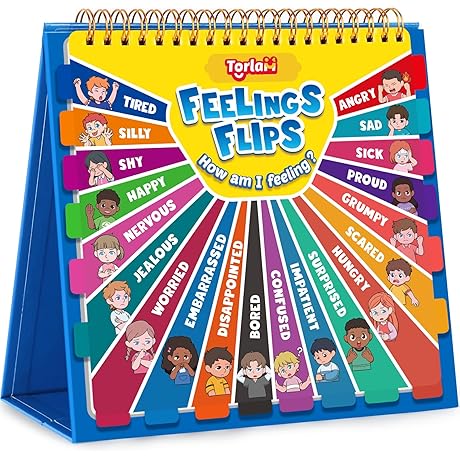
- Bright and colorful illustrations that will engage toddlers.
- Simple and easy-to-understand text that teaches toddlers about different emotions.
- Interactive flipbook format that allows toddlers to practice identifying and expressing their emotions.
- Can be used as a calm down tool for toddlers who are struggling with their emotions.
CONS
- May not be suitable for toddlers who are not yet able to read or understand words.
- The flipbook format may not be durable enough for young toddlers.
This book is a great resource for toddlers who are learning about their emotions. The bright and colorful illustrations are engaging and the simple text is easy to understand. The interactive flipbook format allows toddlers to practice identifying and expressing their emotions, which can be a valuable tool for children who are struggling with emotional regulation. I would highly recommend this book to parents and caregivers of toddlers.
One potential drawback is that the book may not be suitable for toddlers who are not yet able to read or understand words. Additionally, the flipbook format may not be durable enough for young toddlers who are rough with their books. However, these are minor drawbacks and I still believe that this book is a valuable resource for toddlers and their caregivers.

PROS
- Bright and engaging illustrations that captivate toddlers' attention
- Simple and relatable story that resonates with young children
CONS
- Some parents may find the story a bit too simplistic
Waiting Is Not Easy!-An Elephant and Piggie Book is a charming and insightful story that helps toddlers understand and cope with the challenges of waiting. Through the endearing friendship between Elephant and Piggie, Mo Willems deftly explores the emotions and frustrations that young children experience when they have to wait for something they want.
The book's simple yet powerful message is conveyed through Willems' signature blend of humor and heart. Elephant's impatience and Piggie's patience provide a perfect contrast, allowing toddlers to see the different ways of dealing with the frustration of waiting. The vibrant and expressive illustrations bring the story to life, making it even more engaging and relatable for young readers.
PROS
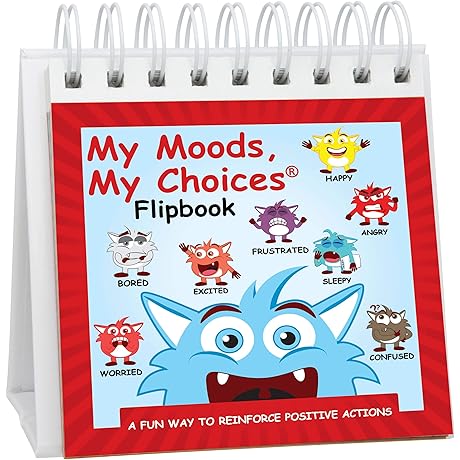
- Durable, laminated pages stand up to toddler handling.
- Features 20 diverse moods and emotions, fostering emotional literacy.
- Promotes positive decision-making through emotion recognition.
CONS
- May require parental guidance for younger toddlers.
- The spiral binding may pose a chewing hazard.
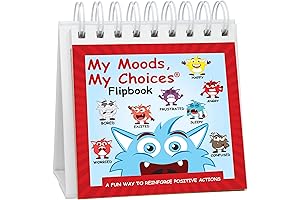
Introduce your toddler to the world of emotions with the engaging Original Mood Flipbook. Designed for ages 1-3, this interactive flipbook features 20 vibrant pages, each showcasing a different emotion. From happiness and excitement to sadness and fear, this flipbook helps little ones identify, understand, and express their feelings.
The durable, laminated pages ensure longevity, while the spiral binding allows for easy flipping. The compact size makes it perfect for on-the-go emotional exploration. Whether you're navigating tantrums, bedtime woes, or the challenges of potty training, the Original Mood Flipbook will empower your child with the tools to express themselves and make positive choices in response to their emotions.
PROS
- Engaging stories that explore a range of emotions, fostering empathy and self-awareness.
- Colorful and captivating illustrations that bring emotions to life, making them relatable for young minds.
- Teaches important social behaviors, such as sharing and respecting others' boundaries.
- Provides a platform for parents and caregivers to engage in meaningful conversations about emotions.
CONS
- Some concepts may be too complex for toddlers under 3 years old to fully grasp.
- Limited number of stories, which may not cover the full spectrum of emotions toddlers experience.
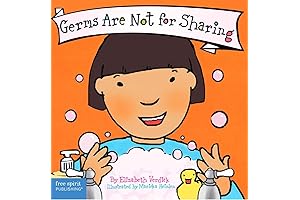
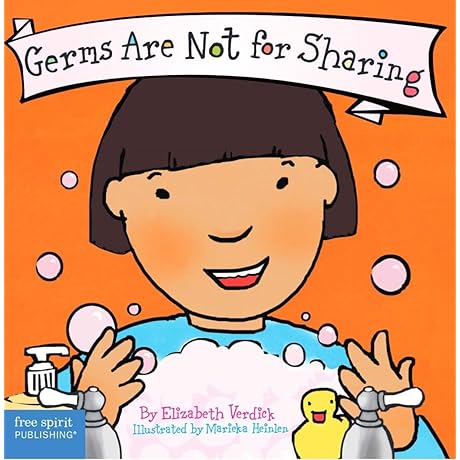
Embark on an emotional odyssey with "Germs Are Not for Sharing," a board book designed to nurture emotional intelligence in toddlers aged 1-3. Through captivating stories and vibrant illustrations, this book delves into the world of emotions, helping young minds identify, understand, and express their feelings. Each story explores a specific emotion, from joy and excitement to sadness and anger, providing a relatable framework for toddlers to navigate their emotional landscape.
The book's engaging narrative fosters empathy and self-awareness, encouraging toddlers to recognize emotions in themselves and others. Its emphasis on social behaviors, such as sharing and respecting boundaries, lays the foundation for positive relationships and healthy emotional development. "Germs Are Not for Sharing" is a valuable tool for parents and caregivers, providing a platform for meaningful conversations about emotions, promoting emotional literacy, and fostering a deeper connection between children and their caregivers.

PROS
- Vibrant and engaging visuals that captivate toddlers' attention
- Clear and concise explanations of a range of emotions to foster emotional literacy
- Versatile use as a poster, classroom decoration, or calming corner resource
CONS
- May require adult assistance for younger toddlers to fully grasp the concepts
- Unframed, which may necessitate additional mounting for classroom or home use
The uoyien Feelings Chart is an invaluable tool for introducing toddlers ages 1-3 to the wonderful world of emotions. Its bright and colorful design instantly draws their attention, making learning about feelings fun and engaging. The chart features clear and concise explanations of various emotions, promoting emotional literacy from an early age. Its versatility extends beyond a mere poster; it can also serve as an educational decoration in classrooms or as a calming corner resource, providing a safe and comforting space for little ones to process their emotions. While younger toddlers may require some adult assistance to fully understand the concepts, the chart's simplicity ensures that it remains accessible and age-appropriate. It's a highly recommended resource for parents, educators, and anyone looking to nurture emotional intelligence in young children.
While the chart is generally well-received, it's important to note that it comes unframed. This may require additional effort or expense for mounting, depending on the intended use. Additionally, some users have suggested that the chart could benefit from including more advanced emotions or scenarios to cater to the growing emotional complexity of older toddlers. Nonetheless, the uoyien Feelings Chart stands as a valuable resource for fostering emotional literacy in young children, offering a solid foundation for future emotional development.

PROS
- Captures the emotions of loneliness, acceptance, and finding a place to belong in a relatable way for toddlers.
- Mesmerizing illustrations that bring the heartwarming story to life, encouraging visual engagement and fostering imagination.
CONS
- May be somewhat long for very young toddlers.
- The open-ended conclusion may leave some readers desiring a more definitive resolution.
Journey alongside Wolf in "Way Home for Wolf," a captivating tale that explores the poignant emotions of loneliness, acceptance, and finding one's place in the world. This gentle and heartwarming story is perfectly tailored for toddlers between the ages of 1 and 3, inviting them to delve into a world of emotions alongside the adorable protagonist, Wolf.
With its enchanting illustrations that leap off the page, this book captivates young readers' imaginations. The story unfolds through Wolf's journey, a lost and lonely wolf cub who yearns for a sense of belonging. As he embarks on a quest to find his way home, he encounters a cast of characters who teach him valuable lessons about friendship, kindness, and the true meaning of "home." The heartwarming narrative and relatable emotions resonate deeply with toddlers, fostering empathy and a sense of belonging from the very first page.

PROS
- Provides a gentle and age-appropriate introduction to emotions through charming characters and relatable scenarios.
- Utilizes vivid illustrations and engaging storytelling to help toddlers understand and identify their own emotions.
CONS
- Limited in the range of emotions explored.
- May require additional support from parents or caregivers to reinforce the lessons.
In a world where toddlers are just beginning to navigate the complexities of emotions, Lost and Found emerges as a beacon of guidance. This endearing book gently introduces young children to the spectrum of feelings they encounter, fostering their emotional intelligence and empathy. Through the tale of a lost toy and the unwavering bond it shares with its owner, Lost and Found explores the depth of sadness, disappointment, and ultimately, the overwhelming joy of reunion.
Authoritative voices in child development emphasize the vital role of early emotional literacy in a child's overall well-being and social competence. Lost and Found embodies this principle, empowering parents and caregivers with a tool to nurture their toddlers' emotional growth. By providing tangible examples of emotions through the captivating story and vivid illustrations, this book facilitates meaningful conversations about feelings, boosting toddlers' emotional vocabulary and self-awareness.
In this article, we have compiled a list of the 10 best books about emotions for toddlers 1-3. These books are not only fun and engaging, but they also provide valuable lessons about how to identify, understand, and manage emotions. Whether you're a parent, caregiver, or teacher, these books are a great way to help your little one learn about emotions and build emotional intelligence.
Frequently Asked Questions
What are the best books about emotions for toddlers 1-3?
Some of the best books about emotions for toddlers 1-3 include titles like Calm-Down Time, Bye-Bye Time, and The Invisible String. These books help toddlers understand and manage their emotions in a fun and engaging way.
How can I help my toddler understand emotions?
There are a few things you can do to help your toddler understand emotions. One is to read books about emotions together. Another is to talk to your toddler about their emotions and help them identify what they're feeling. You can also play games that help toddlers identify and express their emotions.
What are some tips for managing toddler emotions?
Here are a few tips for managing toddler emotions: * Stay calm and patient. * Help your toddler identify what they're feeling. * Validate your toddler's feelings. * Set limits and boundaries. * Help your toddler develop coping mechanisms.